Get Started Guide: Careers
Whether you’re exploring different career possibilities , or working towards a goal. Thinking about and preparing for what comes next after Cambridge is never wasted time. You have time and resources in College and the University to help give you tools to take charge of your future.

1. Register on Handshake
Handshake is the University's official careers platform and your gateway to book appointments with a Careers Consultant, browse and apply for internships and graduate jobs and register for events like careers fairs.
2. Your Careers Champions
College: The Careers branch of Emma Experience curates events, alumni panels, mentoring, and other opportunities for Emma students. You can filter events on Emma Experience calendar by selecting ‘careers’ tag.
There is also the Mildmay Award which recognises your co-curricular development, with eligibility for a £500 Acorn Grant or £1000+ Risman Grant for personal and professional development opportunities. There is also Emma Enterprise for anyone drawn to founding something of their own.
University Careers Service: Open to all students and postdocs, offering appointments, resources, and events at careers.cam.ac.uk, all bookable via Handshake. Keep an eye out for their ‘Careers Essentials’ series of workshops on key topics.
3. Start where you are
Year 1: Focus on exploring, not deciding.
Year 2: Come to Futures Day in College. A special event tailored for second years. Think about getting hands-on experience through internships, volunteering, summer projects or other adventures! While deadlines for some corporate schemes often open in Michaelmas, there are all sorts of opportunities and other funding which open over the year. Check out your opportunities directory.
Final year: Graduate scheme applications typically open in September on a rolling basis but there’s always different opportunities to apply for closer to, or after graduation. But it can be helpful to get your CV reviewed early; the Careers Service prioritises final-years for appointments in Michaelmas term.
Postgraduates: Your timeline is often shorter and options broader, whether thts academia, industry, policy, or a pivot. The Careers Service runs sessions specifically on academic job markets and postdoc funding.
3. Exploring & Research
Explore potential employers, fields and industries you’re interested in. Use their websites to identify values, culture and opportunities that resonate with you and keep an eye on their careers section for graduate roles. Sometimes it’s just as useful to rule something out! Caeers Service Consultants can also help you through this process, even if you have very few or vague ideas to start with.
4. Seek Advice
Consider using contacts, or contacts of contacts, to seek advice and information. This may highlight some pathways that you had not previously considered as well as provide insider perspectives that could help signpost openings and/or approaches.
At Emma we have a database of friendly members who have said they are happy for current members to send them an email to ask them about what they do and how they got there. There is also an Emmanuel Linked-In group.
5. Check out Job Listings
Utilise portals such as Handshake and Prospects, or Bright Network, to search for graduate roles. Or for academic jobs Jobs.ac.uk Set up job alerts for notification of any postings that match your criteria. Even if you're not applying immediately, it's worth seeing what kind of roles are on offer for when you are.
6. Application Preparation
Update your CV with education, extra-curricular activities, interests and work experience in readiness for making applications. Tailor your CV and cover letter to each job application. This can help you identify areas where you might want to develop new skills or get experience.
7. Practice interviews
Ahead of your interview, practice interview skills with friends, family or career consultants at the Careers Centre. Research common interview questions and prepare responses that showcase your match and enthusiasm for the role.
8. Volunteering and Gaining Experience
Consider using the vacations to enhance your skills and experience. This could involve volunteering or work shadowing, even for a few days, to gain insight into roles relevant to your career interests. You can also locally volunteer during your studies.
9. Career planning and exploration
Keep track of the internships and jobs you’ve seen or applied for, deadlines, and any correspondence with your target employers. Create a spreadsheet or tracking tool to stay organised and ensure you don’t miss any opportunities.
10. Wellbeing
Whilst it’s important to dedicate time to your job search, don’t forget to take breaks and ensure your wellbeing. Balancing job search with relaxation will help you maintain your energy and motivation throughout the process.
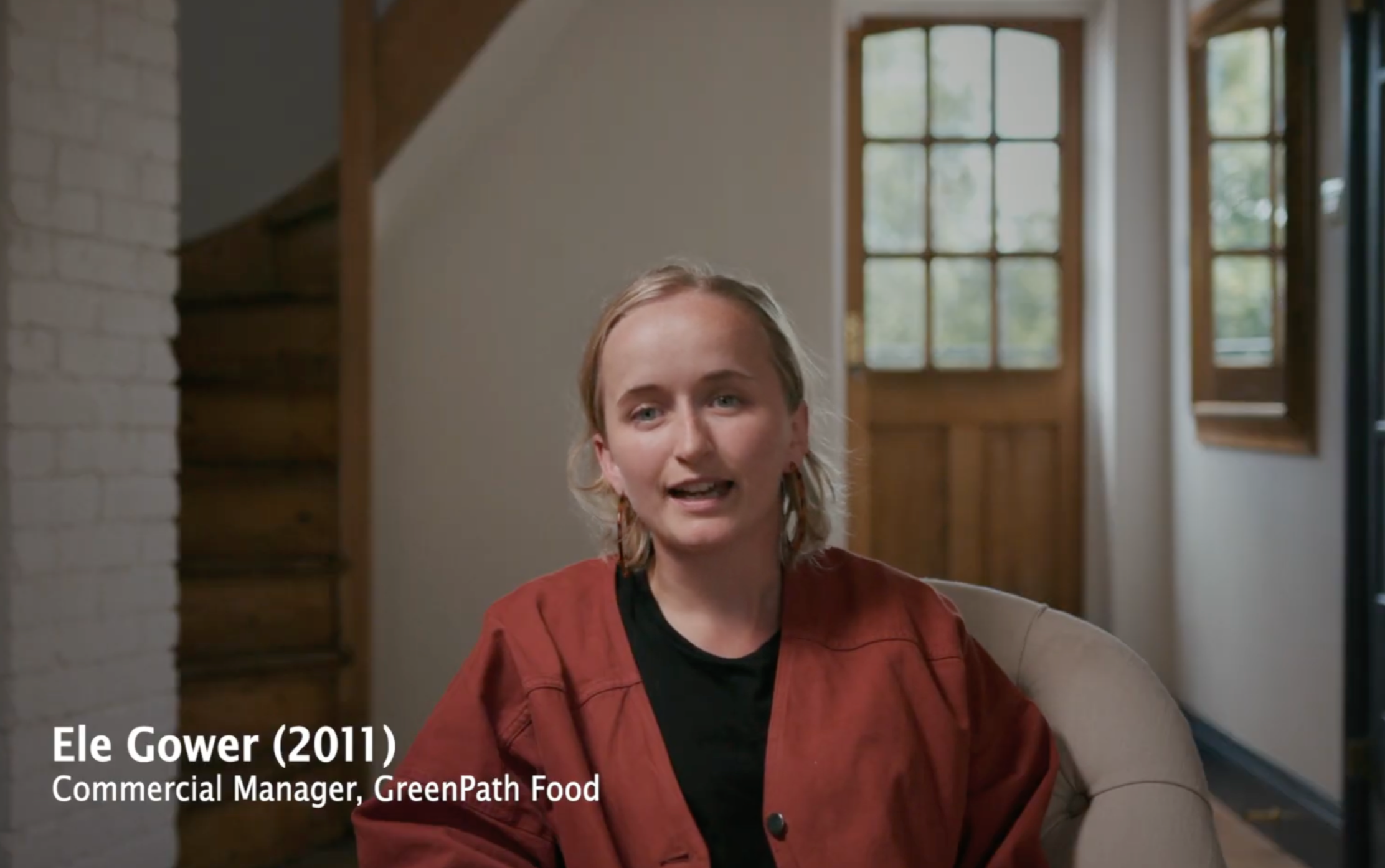
Emmanuel graduates end up in all sorts of different places on unexpected paths. Meet one, Ele Gower who read philosophy.